Internet Is Fun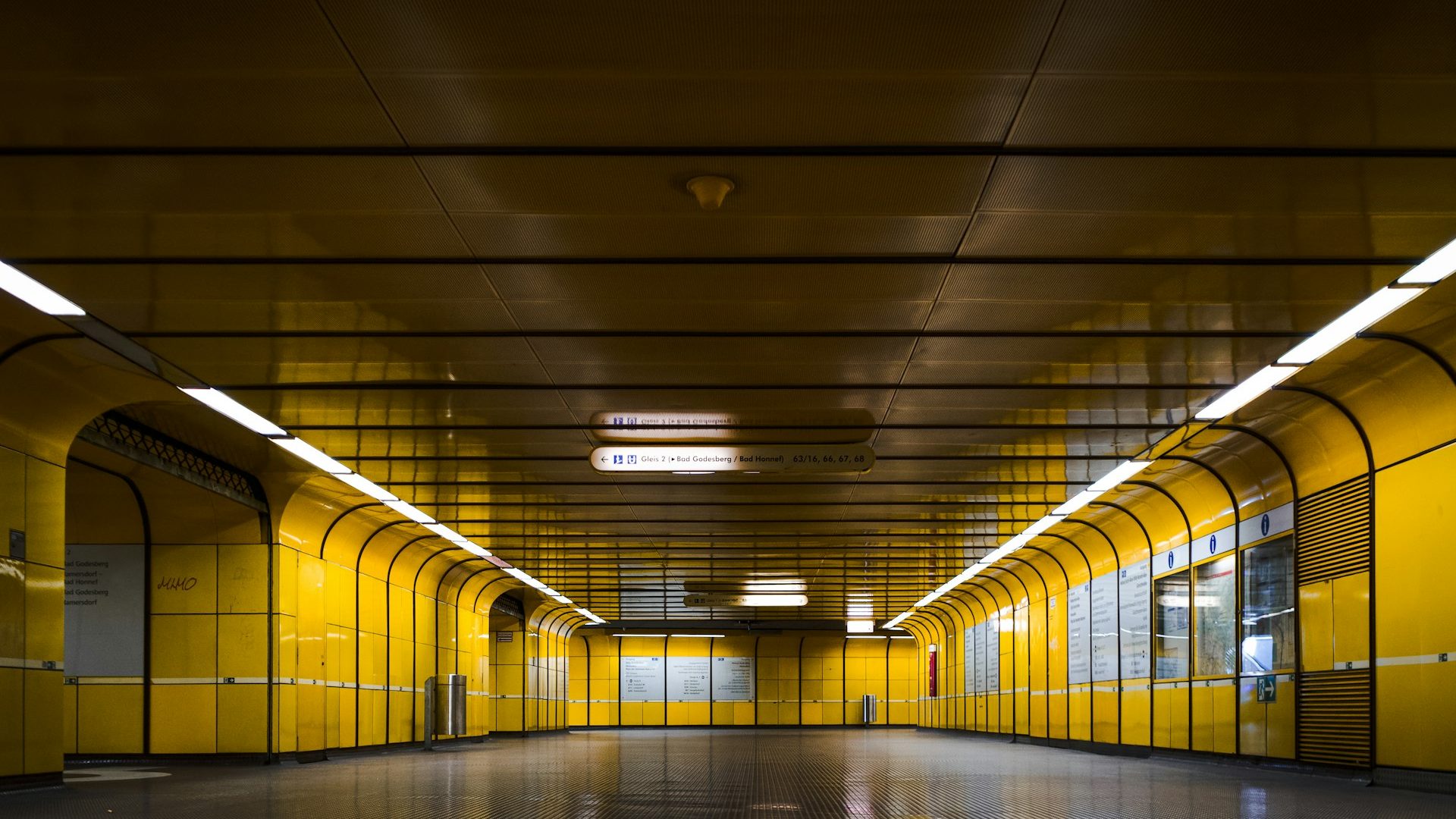
In 2019 someone posted a photograph of an empty, yellow-carpeted office space to an image board, with a short paragraph describing it as somewhere you could end up if you “noclipped out of reality”.
That was the whole thing. What happened next is one of the clearest examples of how internet folklore actually forms.
It started with a gap, not a story
The original post described a place and almost nothing else. No plot, no character, no ending. That incompleteness is the important part — there was obvious room for other people to add to it, and a clear shape for what an addition should look like.
A finished story invites appreciation. An unfinished one invites participation.
Then came the systems
Contributors added levels, entities and rules. Rules are what turn a mood into a setting: once there is an agreed internal logic, contradiction becomes possible, and once contradiction is possible people start arguing about canon.
Arguing about canon is a strong signal that something has stopped being a post and become a shared world.
The aesthetic did the heavy lifting
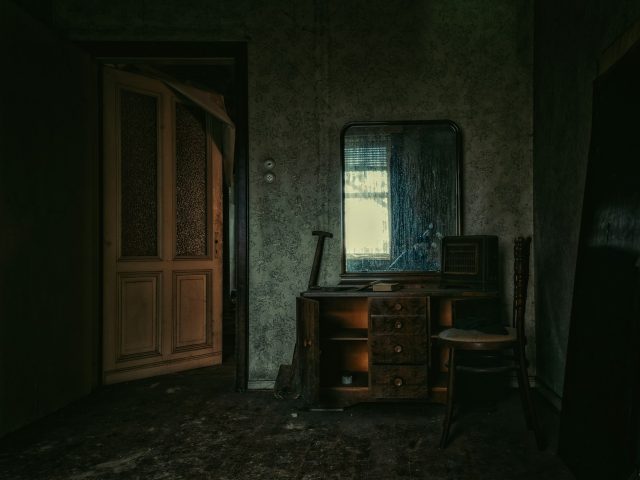
The visual language — empty rooms, fluorescent light, spaces built for people with no people in them — already had a name: liminal spaces. It was recognisable, easy to photograph, and everyone had felt it in an office corridor at 9pm.
That gave the folklore an unlimited supply of raw material. Anyone with a phone could contribute a picture.
Video finished the job
Short films built on the concept moved it from a niche to something broadly known, and the usual ending followed: mainstream attention, then commercial adaptation.
This is the standard life cycle. The same pattern produced Slender Man a decade earlier, and the SCP Foundation before that — a collaborative fiction archive built entirely out of contributors filling in a format.
The pattern, if you want to spot the next one
- A short, incomplete premise that suggests more than it says
- An obvious format for contributions
- A visual style anyone can reproduce
- No single author, so no authority to defer to
- Eventually, rules — and arguments about the rules
If you want to fall in properly, our Backrooms speedrun is the short version and the liminal spaces collection is the aesthetic. Lost media is the adjacent obsession.