Internet Is Fun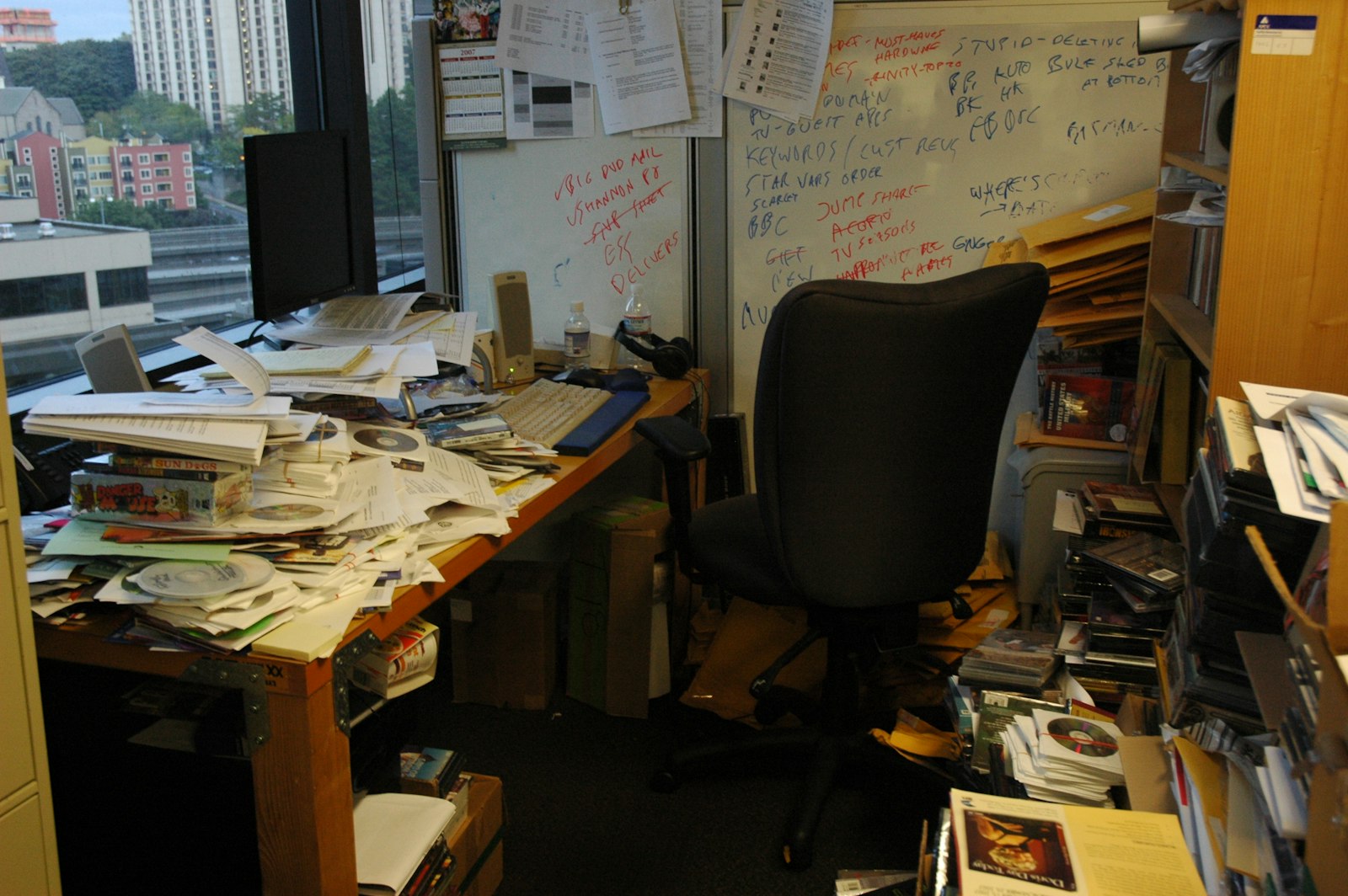
Storage got cheap enough that deleting stopped being necessary, and then quietly stopped being a habit. The result is that most people are now carrying around an enormous archive of things they will never look at, and feeling faintly guilty about it.
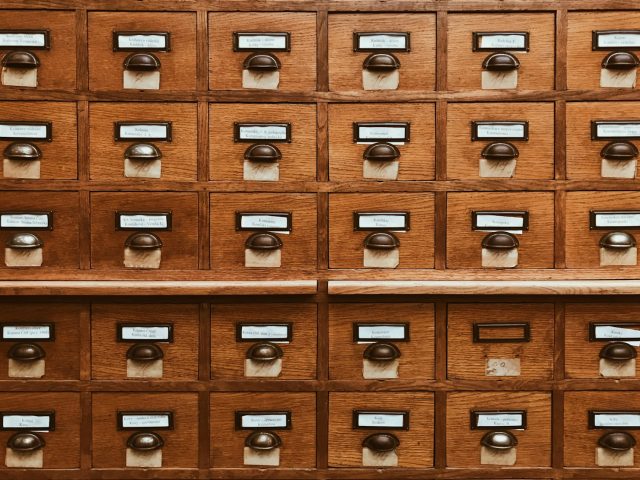
The guilt is misplaced, but the underlying problem is real: an archive you cannot search is not an archive. It is a landfill with good intentions.
Why keeping everything feels correct
Every individual decision to keep something is rational. Deleting takes effort now to save space you do not need. Keeping takes no effort and might pay off later. Done once, it is obviously correct. Done forty thousand times, it produces a collection with no shape.
There is also a specific anxiety at work: the fear that the thing you delete is the one you will want. This is almost never true, and it is completely immune to being told so.
The three main piles
Tabs. The most visible and least serious. An open tab is usually a deferred decision rather than saved information — you are not keeping the page, you are avoiding choosing whether you care about it. We went into this properly in why you have 100 browser tabs open.
Bookmarks. Where links go to be forgotten with more ceremony. Most people’s bookmark folders are an archaeological record of past intentions: a job search from 2019, a recipe collection, four competing note-taking apps.
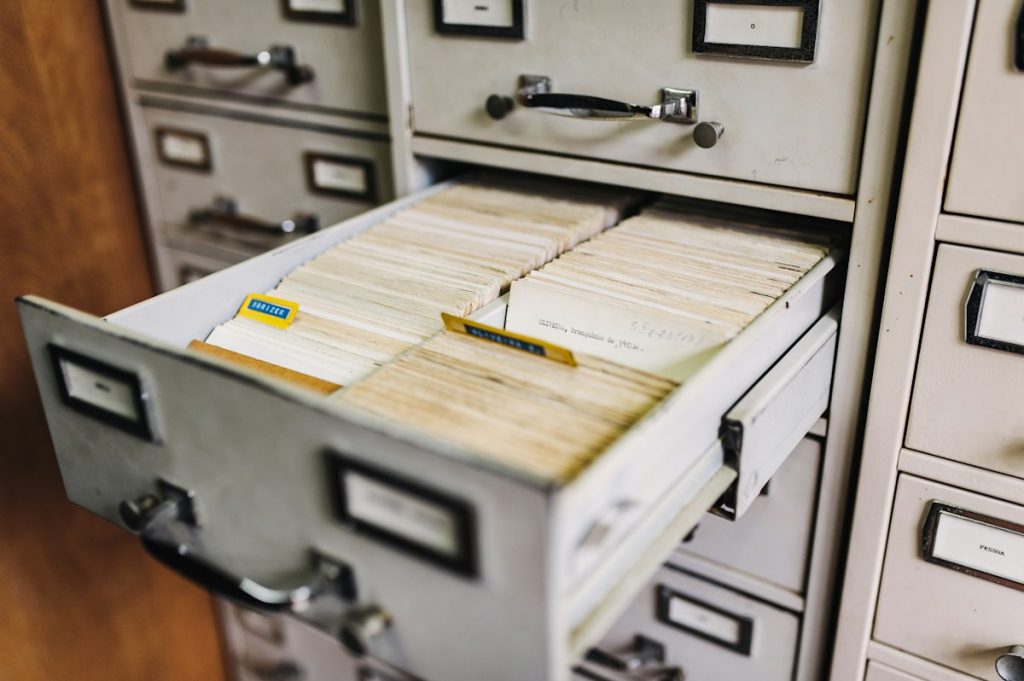
Files. The heavy one. Screenshots, downloads, photographs, documents named final_v3_actual. This pile grows fastest and is the hardest to face, because some of it genuinely matters and you cannot tell which parts without looking.
Why it actually costs you something
Not disk space — that is the cheapest thing involved. The real costs are subtler:
- Search stops working. Past a certain volume, every query returns forty plausible results and you give up. The archive becomes functionally empty.
- It takes up attention. An unresolved pile is a low background hum of obligation, which is why tidying it feels so disproportionately good.
- It hides the valuable things. The twelve documents you would actually be upset to lose are in there somewhere, undistinguished from nine thousand screenshots.
What actually helps
Not a system. Every elaborate organisational scheme fails within a month, because maintaining it costs more than the disorder does. Three lower-effort moves work better:
Separate the keep-pile from the maybe-pile. You do not need to sort everything. You need to identify the small number of things that matter and put those somewhere distinct. Everything else can stay in the heap.
Make retrieval better instead of storage tidier. Renaming the twenty files you actually use beats reorganising two thousand you do not.
Let the maybe-pile age out. A downloads folder you have not opened in three years is answering the question for you. You can delete it without looking, and the reason you will not is worth being honest about.
The part worth keeping
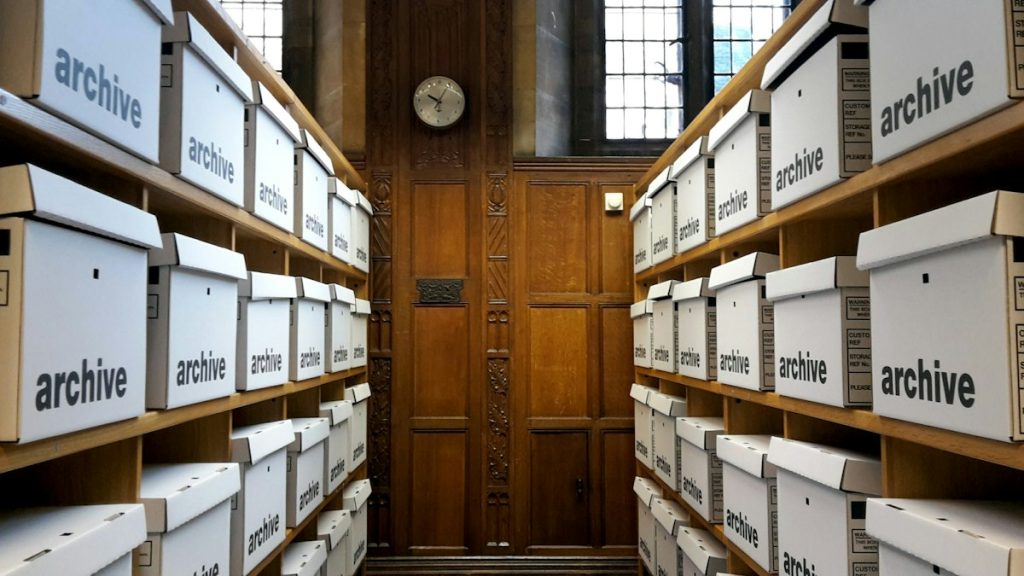
There is a real difference between hoarding and archiving, and it is not volume — it is whether anyone can find anything. Deliberate archives are enormously valuable, and the web would have lost far more of its history without people who kept things obsessively. That is covered in lost media and in how web archives actually work.
The difference is intent. An archivist keeps things so they can be found later. A hoarder keeps things so the decision can be made later. Deciding is the whole job.